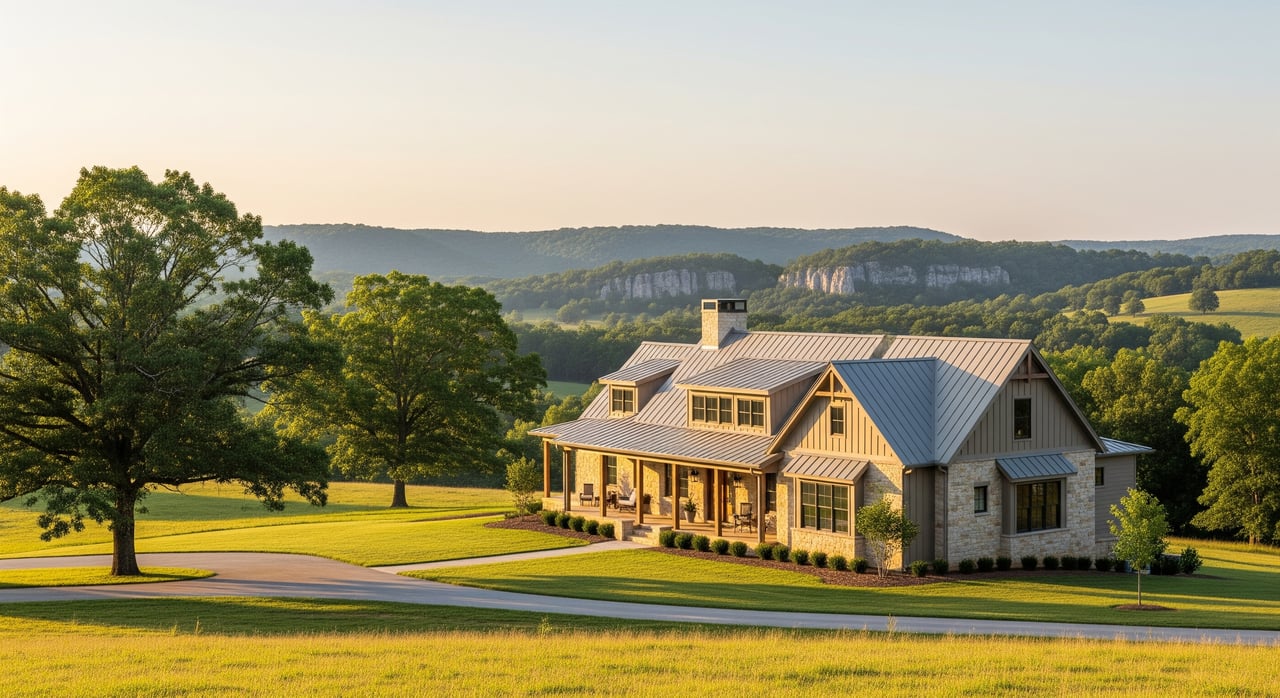
Are you dreaming of a place where you can keep your horses at home and still be close to everyday essentials? Overton County offers a rural landscape with rolling pastures, good access to supplies, and the kind of privacy many equestrians want. You just need a clear plan for where to focus your search and what land features matter most for horses. In this guide, you’ll learn the best areas to look, how many acres you should plan per horse, what to check for pasture, water, and barns, and a simple checklist that makes shopping easier. Let’s dive in.
Best areas to search
Livingston and surroundings
Livingston is the county seat and the main service hub. If you want acreage with shorter drives to groceries, hardware, and county offices, the areas just outside town are a smart place to start. Parcels here may trend smaller, which can suit 1–3 horses with a well-planned setup.
Hilham and Standing Stone area
The Hilham area near Standing Stone offers scenic value and nearby outdoor recreation. Some public lands allow horseback riding only on designated trails, while others do not. If trails are important to you, plan to confirm permitted uses directly with park and forest offices before you buy or haul in.
Northeastern and northwestern rural sectors
Farther out from Livingston, development pressure drops and larger tracts are more common. These areas can include older barns, pasture-ready fields, and more privacy. Balance the extra acreage with longer drive times for veterinary or farrier visits.
Road access and trailers
Good year-round access matters. Look for parcels with paved or consistently maintained gravel roads. Steep or rutted drives make it harder to move horse trailers and receive hay deliveries, especially after heavy rain or during freeze–thaw cycles.
How many acres per horse
In this region, a reliable planning number is 2–4 acres of quality pasture per horse if you want to rely heavily on grazing. With rotational grazing, supplemental hay, and good manure management, some owners can manage at slightly lower density. Always adjust to your land’s soil fertility and pasture condition.
- 5–10 acres can support 1–2 horses with a higher-management system that includes a sacrifice paddock and regular hay.
- 10–25 acres works well for several horses with rotational grazing, small arena space, and potential hay production.
- 25 acres and up supports multiple pastures, on-site trails, and a clearer separation of barnyard, manure, and hay fields.
Pasture, soils, and water essentials
Forage and fescue notes
Common forages here include tall fescue, orchardgrass, bermudagrass, and clovers. Tall fescue is widespread and often contains an endophyte that can cause issues for broodmares. If you plan to breed, build a pasture plan that accounts for fescue management or renovation.
Drainage and soil testing
Rolling hills mean mixed soils. Hilltops may drain well, while low-lying fields can get muddy in winter and spring. Prioritize at least one well-drained area for a sacrifice paddock or arena. Soil testing through local extension resources helps you dial in lime and fertilizer for stronger forage.
Water supply reliability
Horses need reliable water year-round. Confirm well yield and water quality if the property relies on a private well. If the property uses municipal water, check where lines run and the number of reliable water points. Plan for freeze protection in winter and frequent trough maintenance in summer.
Barns, fencing, and layouts that work
Barn placement and paddocks
Set the barn on slightly elevated, well-drained ground. Keep reasonable setbacks from property lines to reduce runoff concerns. Place a hardened, well-drained sacrifice paddock next to the barn to protect your pastures during wet seasons.
Arena size and footing basics
A practical outdoor schooling size is about 60 by 120 feet, with larger dimensions preferred if you have the room. Good drainage matters as much as footing material. Choose a spot that sheds water and has vehicle access for maintenance and footing deliveries.
Fencing and gates
Use horse-safe fencing such as wood post-and-rail, vinyl rail, or coated high-tensile with a visible top rail. If you choose woven wire, outfit it to be horse-safe. Gates should be wide enough for trailers and equipment, usually 12–14 feet.
Manure and utilities
Plan manure storage away from wells and streams and maintain buffer zones. Confirm power capacity for barn lighting and heated waterers. If you anticipate boarding or higher usage, verify that septic capacity and any additional requirements are met.
Trails and recreation near Overton County
Standing Stone is a well-known recreation area in the region, and surrounding public lands add outdoor appeal. Trail access for horses varies by park and forest unit. Confirm the current horseback rules for any public lands you hope to use, and map out trailer-friendly routes in advance.
Private farms and hunting lands can also offer riding with permission. If at-home trails are a priority, focus on parcels with 10–25 acres or more, or tracts that connect to quiet county roads suitable for safe hacking, subject to local conditions.
Build your amenities map
A simple amenities map helps you compare properties by access to essentials. Include these layers and points:
- Town centers and driving times, especially Livingston
- Major roads used for hauling and service access
- Equine veterinarians who offer ambulatory and emergency care
- Farriers, including backup contacts
- Hay producers and feed or farm supply stores
- Boarding or training facilities and arenas
- Tack retailers and saddle fitters
- Public lands and trailheads where horses are permitted
- Local extension resources for soil testing and forage guidance
Confirm details with phone calls. Ask vets about their emergency coverage radius and typical response times to your address. Ask hay suppliers about bale types, winter availability, and delivery fees. For boarding barns, confirm turnout schedules, vaccination requirements, and space availability.
Buyer checklist for horse properties
Use this quick checklist while you tour and compare options:
- Access and roads: Year-round vehicle and trailer access, no sharp switchbacks, safe clearances, and reliably maintained gravel or pavement.
- Pasture and drainage: Recent soil test results, forage species identified, and a plan for winter and spring mud. Look for at least one elevated, well-drained area.
- Water and utilities: Verified well yield and water quality or reliable municipal service. Adequate power for lights and heated tanks. Multiple water points for fields.
- Barn and fencing: Safe stall sizes, sound roof and wiring, and horse-safe fencing in good repair. Gate widths suitable for trailers and tractors.
- Manure and environmental: Storage location is away from wells and waterways, with buffers to protect runoff.
- Services and response times: Driving times to equine vet, farrier, feed store, and hay suppliers, plus confirmed emergency availability.
- Legal and permitting: Permitted uses, setbacks, and any covenants or easements. Extra checks if you plan to board or teach lessons.
- Insurance and liability: Policy coverage for horses on the property and any commercial activities you plan.
- Neighbor relations: Awareness of nearby farm operations, hunting leases, seasonal fieldwork, and typical rural noise patterns.
Planning and permitting basics
Many rural Tennessee counties have relatively simple land-use rules, but local requirements still apply. Before you buy or build, verify permitted uses, building setbacks, and any septic or well standards with Overton County Planning and Zoning and the county health department. If you plan to run a boarding operation or offer lessons, check for any additional licensing or septic capacity requirements.
Next steps with local guidance
Finding the right horse property in Overton County is about matching your goals to the land. Start with the areas that fit your daily routes, confirm the acreage and pasture quality you need, and make sure critical services are within a reasonable drive. A local advisor who understands barns, fencing, wells, septic systems, and rural service networks can save you time and money.
If you want an experienced guide who knows equestrian and acreage properties across the Upper Cumberland, reach out to the team that does this every day. Contact Lisa Ann Garrett -Mitchell Real Estate & Auction Co., LLC to start your search with confidence.
FAQs
Where should I start my horse property search in Overton County?
- Begin around Livingston for service access, then expand to Hilham and the Standing Stone area for scenic value, and out to the northeastern or northwestern sectors for larger tracts.
How many acres per horse work in this region?
- Plan for roughly 2–4 acres of quality pasture per horse, adjusting based on grazing rotation, hay supplementation, and soil fertility.
Is tall fescue a concern for broodmares in Overton County?
- Yes, tall fescue is common and can contain an endophyte that affects broodmares, so plan for management or pasture renovation if breeding.
Does Standing Stone State Park allow horseback riding?
- Access varies by unit and trail, so confirm current horseback permissions with the park or adjacent forest office before you haul in.
What should I verify about wells and septic on a horse property?
- Test well yield and water quality, confirm enough water points for turnout, and check septic capacity and setbacks for any planned barn or boarding use.
What property sizes suit different equestrian uses?
- About 5–10 acres suits 1–2 horses with higher management, 10–25 acres fits several horses with rotation and a small arena, and 25+ acres supports multiple pastures and on-site trails.